NHS estimates show mixed anxiety and depression disorder affects about 1 in 10 adults yearly. People often overlook this condition, yet it poses one of the most important mental health challenges. Patients experience anxiety and depression symptoms together, with neither condition clearly dominating the other.
A closer look at mixed anxiety and depressive disorder reveals specific characteristics. The condition combines anxiety and depressive symptoms of limited and equal intensity. These symptoms come with distinct autonomic nervous system features. The overlap between these conditions appears quite common. Research shows that about 60% of people with major depressive disorder also struggle with some form of anxiety disorder. But patients with MADD tend to show less depression and more anxiety compared to those with major depressive disorder (MDD).
This piece will get into the warning signs of mixed anxiety and depression disorder you can’t afford to ignore. We’ll uncover the root mechanisms, diagnostic approaches, and treatment strategies that work. On top of that, we’ll shed light on why doctors often misunderstand or misdiagnose this common condition.
What is mixed anxiety and depression disorder?
Mixed anxiety and depression disorder (MADD) is a condition where anxiety and depression symptoms occur together with about the same intensity. Unlike full-blown anxiety or depressive disorders, MADD shows subsyndromal symptoms—they don’t fully match the diagnostic criteria for either condition alone, but together they create enough distress to disrupt daily life.
ICD-10 classification shows that MADD has co-occurring symptoms of anxiety and depression. These symptoms must be severe enough to warrant a psychiatric diagnosis, though neither one clearly dominates. The symptoms must also come with physical signs like increased heart rate or sweating.
A MADD diagnosis usually requires symptoms to last at least two weeks or more on most days. Some sources suggest a four-month requirement, but doctors still debate this point.
How it is different from comorbid anxiety and depression
The difference between MADD and comorbid anxiety and depression is subtle but matters a lot clinically. MADD patients show both anxiety and depression at the same time at mild to moderate levels, and neither condition overshadows the other. This contrasts with comorbid anxiety and depression, where each condition meets full diagnostic criteria on its own.
MADD basically means:
- Neither anxiety nor depression alone meets full diagnostic criteria
- Both types of symptoms are roughly equal in strength
- Together, they affect daily life enough to cause problems
This is quite different from having diagnosable major depressive disorder (MDD) with comorbid generalized anxiety disorder (GAD). Research shows MADD usually isn’t as severe as full comorbid conditions, but it still causes real distress.
MADD typically shows a unique pattern of symptoms. These include trouble focusing, sleep problems, tiredness, irritability, worry, crying easily, being overly alert, expecting the worst, hopelessness, and low self-esteem.
Why it’s often misunderstood or misdiagnosed
MADD faces major diagnostic challenges despite being common. We mainly debated whether MADD should be its own diagnostic category. This led to its exclusion from the DSM-5 because the proposed criteria weren’t reliable enough.
The confusion comes in part from how we classified these conditions historically. Doctors used to think neurotic depression and anxiety were closely related until DSM-III put them in separate categories. Current evidence suggests this strict separation might not make sense, as anxiety and depression might be better understood as parts of a spectrum marked by general distress or negative feelings.
Doctors often misdiagnose MADD because:
- Primary care doctors have limited time to get a full picture
- They focus mostly on physical symptoms
- Available diagnostic tools take too long to use
- Symptoms overlap too much to tell them apart easily
Primary care doctors spot anxiety disorders poorly, identifying social anxiety disorder in just 0.5% of cases. So patients might suffer for years without proper treatment, which leads to personal struggles and wider social and economic costs.
This uncertainty about diagnosis can lead to wrong treatment approaches. Having both anxiety and depression predicts worse outcomes and more treatment resistance than having either condition alone.
Early signs you shouldn’t ignore
Image Source: PsychiCare
The timely detection of mixed anxiety and depression disorder’s warning signs plays a significant role in getting help early. People often live with these symptoms for months or years before they ask for help. Your outcomes can improve by a lot with early detection, so let’s get into the key signs you shouldn’t ignore.
Persistent low mood and constant worry
Mixed anxiety and depression disorder shows itself through both depressive and anxious symptoms happening at the same time. These feelings last longer than just occasional sadness or nervousness and often come without any clear cause. Patients usually feel a constant sense of dread or expect negative outcomes while dealing with an ongoing low mood.
The worry tends to be general rather than about specific things. This combination creates extra distress because low mood makes worries worse. The constant worry then deepens the depression. This creates a tough cycle that’s hard to break without help.
Physical symptoms like fatigue and tension
Mixed anxiety and depression disorder shows up in many physical ways. The most common symptoms include:
- Ongoing tiredness that doesn’t get better with rest
- Muscle tension, mainly in the neck, shoulders, and jaw
- More frequent headaches or migraines
- Digestive problems like stomach pain, nausea, or IBS-like symptoms
People often see their doctor about these physical symptoms before they think about mental health support. The combination of unexplained physical symptoms and mood changes needs attention from healthcare providers.
Loss of interest in daily activities
A key warning sign appears when someone slowly pulls away from activities they used to enjoy. This goes beyond just “not feeling like it” sometimes—it becomes a pattern. Things that were once fun might seem pointless or too overwhelming.
This loss of pleasure combined with anxiety creates a unique problem. People avoid activities because they’ve lost interest and feel worried about joining in. Their relationships usually suffer as social events become both uninteresting and anxiety-triggering.
Sleep disturbances and appetite changes
Sleep patterns often get disrupted badly. Racing thoughts make it hard to fall asleep. People wake up throughout the night or feel tired even after sleeping enough hours. Some might sleep too much yet still feel exhausted.
Changes in appetite also come with mixed anxiety and depression disorder. Some people lose their appetite and drop weight without trying. Others might eat emotionally and gain weight. These changes in basic body functions signal that something isn’t right.
Feelings of hopelessness or panic
The emotional world of mixed anxiety and depression disorder includes both hopelessness about the future and moments of intense fear or panic. This mix proves especially challenging as your mind swings between despair and acute distress.
This sign needs special attention because it affects how people make decisions and judge risks. The combination of hopelessness and panic might lead to rushed decisions or complete avoidance of important life changes. These emotional states can make suicidal thoughts worse, which makes this sign particularly important to address quickly.
Difficulty concentrating or making decisions
Cognitive function often suffers, and concentration problems affect work and daily tasks. Even simple choices feel overwhelming when depressive thoughts and anxious worrying cloud your mind.
This mental interference shows up as forgetfulness, unfinished tasks, or trouble with small decisions. Work performance drops, which feeds more feelings of worthlessness and worry about what might happen.
These signs rarely appear alone—they usually overlap and make each other worse. You should talk to a healthcare provider if several of these patterns last more than two weeks. Getting help early can stop symptoms from getting worse and help you get your life back on track.
What causes mixed anxiety and depression?

Image Source: ResearchGate
Mixed anxiety and depression disorder comes from a complex mix of different factors. Learning about why it happens helps explain how people can experience anxiety and depression at the same time. Research shows all but one of these factors can trigger this condition on their own – they work together.
Genetic and biological factors
Your genes substantially affect how mixed anxiety and depression disorder develops. Studies suggest these conditions run in families about 40% of the time. Your risk becomes 2-3 times higher than average if your parent or sibling has depression.
Brain studies show that depression and anxiety might be different ways the same underlying problem shows up, tied to general “distress”. Changes in brain chemicals, especially serotonin, are the foundations of this condition. Scientists have learned that brain-derived neurotrophic factor (BDNF) plays a key role in how depression develops.
Psychological development and trauma
Early life experiences, especially childhood trauma, can affect your mental health for life. About 40.8% of patients with mixed anxiety-depression disorder reported at least one traumatic event in their lives. A study of patients with mixed anxiety-depression found that physical abuse and neglect during childhood stood out between people with and without PTSD.
The way you think, which develops early in life, can make you more likely to get these conditions. People who tend to feel negative emotions associate strongly with worse depression and anxiety symptoms. Being outgoing seems to protect against these symptoms.
Environmental stressors and lifestyle
Ongoing stress can trigger mixed anxiety and depression. Life changes like losing your job, getting sick, having a baby, going through divorce, money problems, or starting a new job can affect mental health. These stressful situations often release inflammatory substances and can disrupt the hypothalamic-pituitary-adrenal (HPA) axis.
Your lifestyle choices affect your mental health too. How much you exercise, how well you sleep, what you eat, and whether you use substances all play a role in anxiety and depression risk. A big research review showed that people with healthier habits had much fewer depression and anxiety symptoms than those with less healthy behaviors.
Medication and substance use
Substance use often makes anxiety and depression more complicated. About 37% of people who misuse alcohol and 53% of drug users have at least one serious mental health condition. Some people try to treat their symptoms with substances at first, which creates a dangerous pattern – about one-third of people with major depression also struggle with alcohol.
Some medications can make symptoms worse as side effects. On top of that, it takes up to two years to get over the anxiety that comes from alcohol withdrawal as part of post-acute withdrawal syndrome.
These disorders work both ways – anxiety and depression might lead to substance use, while substances can make these conditions worse or trigger them.
How is it diagnosed?
Even experienced practitioners find it challenging to diagnose mixed anxiety and depression disorder. Let’s get into the complexities of this process.
Challenges in distinguishing from other disorders
MADD diagnosis presents significant hurdles because anxiety and depression share many overlapping symptoms. Patients who visit primary care often describe somatic complaints like muscle tension or headaches rather than mental health concerns. This confusion often results in incorrect diagnosis, and studies show that doctors sometimes mistake MADD for inflammatory myopathies or other neurological disorders.
Common diagnostic tools and assessments
Doctors use several screening tools to review anxiety and depression symptoms:
- Patient Health Questionnaire-9 (PHQ-9) for depression severity
- Generalized Anxiety Disorder 7-item scale (GAD-7)
- Beck Depression Inventory (BDI) to demonstrate behavioral patterns
- K10 assessment commonly used by Australian doctors
These tools help separate MADD from standalone anxiety or depressive disorders through systematic symptom evaluation.
Why DSM-5 does not include MADD
The DSM-5 excluded MADD because the proposed diagnostic criteria weren’t reliable enough. In spite of that, the DSM-5 recognizes the clinical significance of anxious features during depressive episodes by adding an “anxious distress specifier”. This specifier needs at least two anxiety symptoms during most days of a major depressive episode.
Role of mental health professionals
Mental health experts must get a full picture to rule out conditions that mirror MADD symptoms. Their role extends beyond diagnosis to develop personalized treatment strategies that target both anxiety and depression simultaneously. MADD treatment provides more than symptom relief – it’s a vital preventive step that could change a patient’s psychiatric illness trajectory.
Treatment and coping strategies

Image Source: Verywell Health
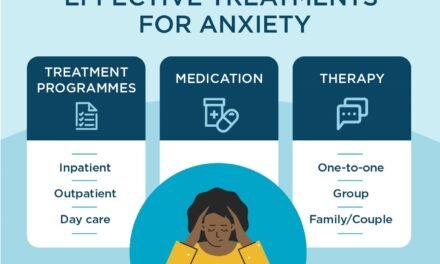
Managing mixed anxiety and depression disorder works best with a complete approach that combines professional treatment with self-help strategies. Research shows better outcomes when doctors treat anxiety and depressive symptoms together rather than separately.
Cognitive Behavioral Therapy (CBT)
CBT stands as a gold-standard treatment for both anxiety and depression, backed by strong evidence. This well-laid-out therapy helps you identify and challenge negative thought patterns while building healthier coping strategies. Transdiagnostic CBT approaches target the mechanisms of both conditions rather than individual symptoms. Internet-delivered CBT programs show promising results – about two-thirds of people who finish the program recover fully.
Medication options like SSRIs and SNRIs
SSRIs and SNRIs work well against both anxiety and depression components. These medications regulate mood and reduce anxious thoughts effectively. A study showed sertraline had excellent tolerability with a 76% response rate in patients with mixed anxiety-depression. Anxiety symptoms might need higher doses compared to depression alone.
Lifestyle changes and stress management
Physical activity reduces anxiety and depression symptoms substantially by producing endorphins. These practices also make a big difference:
- Establishing consistent sleep schedules
- Consuming balanced meals with complex carbohydrates
- Limiting alcohol and avoiding recreational drugs
- Practicing mindfulness meditation and deep breathing
Self-care practices to support recovery
Daily self-care routines boost professional treatment’s effectiveness. A mood diary helps spot symptom patterns and triggers. Time spent in nature improves mental wellbeing, even short periods help. Journaling lets you process thoughts and express feelings freely.
When to seek professional help
You should get professional guidance if symptoms last beyond two weeks or affect your daily life. The best results usually come from combining medication with psychotherapy. Note that while self-care strategies help, they shouldn’t replace professional treatment if you have moderate to severe symptoms.
Conclusion
People living with mixed anxiety and depression disorder face unique challenges, but awareness of this condition keeps growing. This piece explores how MADD shows up as a distinctive mix of anxiety and depressive symptoms that occur together with similar intensity. The condition affects about 1 in 10 adults each year, which is nowhere near as rare as many people think.
Spotting the signs early plays a vital role in getting proper help. You shouldn’t ignore physical signs like fatigue, constant worry, sleep problems, and losing interest in activities. These symptoms need professional attention if they last more than two weeks together.
Several factors can lead to MADD. These include genetic predisposition, childhood trauma, ongoing stressors, and lifestyle elements. Understanding these mechanisms helps explain why some people experience anxious and depressive symptoms together rather than separately.
Treatment options for MADD are showing good results, even though it faces diagnostic challenges and isn’t in the DSM-5. Cognitive Behavioral Therapy helps tackle negative thought patterns, while medications like SSRIs and SNRIs can regulate both anxiety and depression. Regular exercise, steady sleep schedules, and mindfulness practices also support recovery substantially.
Getting help isn’t a sign of weakness – it’s a step toward healing. Professional guidance combined with self-care strategies provides a complete approach to managing symptoms. MADD might feel overwhelming at first, but most people see real improvement with proper treatment and support. Your path to mental wellness starts by recognizing these symptoms and getting the help you deserve.
FAQs
Q1. What are the key symptoms of mixed anxiety and depression disorder?
The main symptoms include persistent low mood, constant worry, fatigue, loss of interest in activities, sleep disturbances, and difficulty concentrating. These symptoms typically occur simultaneously and with roughly equal intensity.
Q2. How is mixed anxiety and depression disorder different from having separate anxiety and depression diagnoses?
In mixed anxiety and depression disorder, symptoms of both conditions are present but at milder levels that don’t meet full diagnostic criteria for either disorder individually. The symptoms occur simultaneously and cause significant distress or impairment.
Q3. What treatment options are available for mixed anxiety and depression disorder?
Treatment typically involves a combination of cognitive behavioral therapy (CBT), medication such as SSRIs or SNRIs, and lifestyle changes. Self-care practices like regular exercise, maintaining a consistent sleep schedule, and mindfulness meditation can also be beneficial.
Q4. Can lifestyle changes help manage mixed anxiety and depression symptoms?
Yes, lifestyle modifications can significantly help manage symptoms. Regular physical activity, establishing consistent sleep patterns, maintaining a balanced diet, limiting alcohol consumption, and practicing stress management techniques like mindfulness can all contribute to symptom relief.
Q5. When should someone seek professional help for mixed anxiety and depression symptoms?
It’s advisable to seek professional help if symptoms persist for more than two weeks or begin to interfere with daily functioning. Early intervention can lead to better outcomes, so it’s important not to delay seeking help if you’re experiencing persistent symptoms of both anxiety and depression.