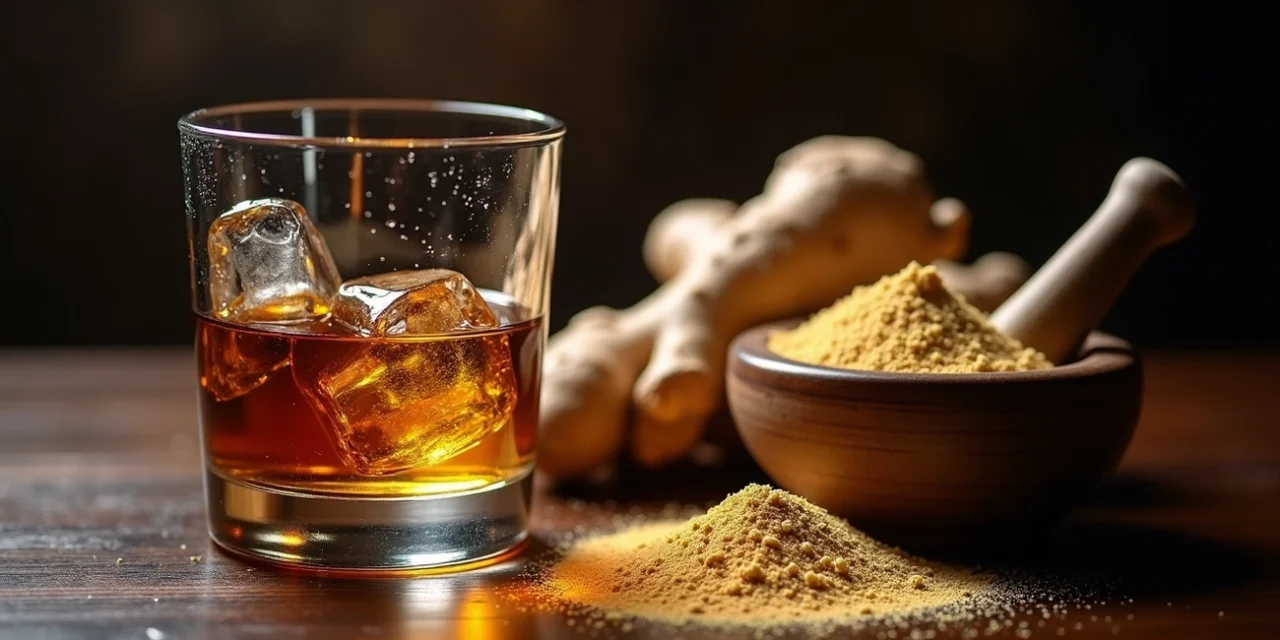
Ashwagandha and alcohol affect our health in completely opposite ways. Alcohol claims more than three million lives yearly, which makes people who take ashwagandha supplements question the safety of mixing these substances. Research backs this ancient herb’s popularity, and with good reason too – studies reveal it reduces anxiety symptoms more effectively than placebos.
The interaction between alcohol and ashwagandha needs careful thought. People who mix alcohol with ashwagandha might not experience unexpected reactions, but some concerns deserve attention. Your central nervous system responds to both substances differently – alcohol acts as a depressant while ashwagandha could work as an alternative to anti-anxiety medications. Both substances can make you drowsy, raising questions about what happens when you take them together.
This piece will get into how ashwagandha and alcohol interact in your body, possible side effects, and whether ashwagandha could help with alcohol-related problems. Your safety and well-being depend on learning about these interactions if you use this adaptogenic herb.
What is Ashwagandha and How Does It Work?

Image Source: Amazon.com
The wellness world has taken notice of a small shrub Withania somnifera. Ashwagandha gets its name from Sanskrit – “ashwa” means horse and “gandha” means smell. This name points to the root’s distinct odor and the belief that eating it gives you strength like a horse. This evergreen plant serves as the life-blood of Ayurvedic medicine for thousands of years. You can find it growing naturally in India, the Middle East, and parts of Africa.
Traditional uses in Ayurveda
Ayurvedic medicine has used ashwagandha for over 3,000 years as a “Rasayana” – special herbal preparations that boost longevity, happiness, and overall vitality. Ayurvedic healers prescribed this herb for several purposes:
- A tonic to help children develop and keep elderly people vital
- To help with rheumatism and joint inflammation
- To boost nervous system health and help with insomnia
- To enhance reproductive health in both men and women
Ancient Ayurvedic texts like Charaka Samhita and Susruta Samhita highlight ashwagandha’s “Balya” or strengthening properties. The harvest time – usually summer and winter – played a vital role to get the best medicinal benefits.
Modern research and adaptogenic properties
Scientists have found withanolides as the main active compounds in ashwagandha root. These natural chemicals help reduce inflammation and drive most of the herb’s healing effects.
Ashwagandha belongs to adaptogens – herbs that help your body handle stress better. Research backs this up. One striking study showed that animals given ashwagandha kept swimming for about 740 minutes – almost twice as long as the control group’s 385 minutes.
The herb works just as well as some prescription drugs in certain studies. Research shows it can ease anxiety like Lorazepam and lift mood like imipramine in standard tests.
How it affects stress and mood
Ashwagandha works by regulating the hypothalamic-pituitary-adrenal (HPA) axis – your body’s stress command center. This leads to lower cortisol levels, which signals less stress. A thorough review found that taking 250–500 mg of ashwagandha extract daily for 4 to 13 weeks substantially lowered morning cortisol in stressed adults.
People feel better because of these lower cortisol levels. Clinical trials prove that ashwagandha helps reduce stress, anxiety, and related issues like poor sleep and tiredness better than placebo.
The herb also affects GABA activity in the brain. GABA (gamma-aminobutyric acid) calms your nervous system – the same system alcohol affects, which matters when you think about mixing ashwagandha and alcohol.
The herb protects brain cells and acts as an antioxidant. These properties might explain why users report better memory, focus, and mental clarity.
How Alcohol Affects the Brain and Body

Image Source: MDPI
Alcohol hits your brain and body right away, unlike herbal supplements that take time to work. Each sip of this powerful central nervous system depressant changes your brain chemistry and bodily functions. These changes range from subtle shifts to life-threatening effects.
Short-term effects on mood and coordination
Your body starts processing alcohol the moment you take a drink. Alcohol crosses the blood-brain barrier within minutes and disrupts how neurons communicate. You first notice a mild mood lift and fewer inhibitions—that familiar “buzz” that makes socializing easier.
The effects get stronger as you drink more, based on blood alcohol concentration:
- After 1-2 drinks: Your heart beats faster, blood vessels expand, and you feel warm and social
- After 4-6 drinks: Your brain’s frontal lobe slows down, which hurts your judgment and decision-making
- After 8-9 drinks: You react slower, speak unclearly, and see less sharply
- After 10-12 drinks: Your coordination drops sharply, making accidents more likely
- Beyond 12 drinks: You risk alcohol poisoning, which can stop your breathing, change your heart rate, and disable your gag reflex
These changes happen because alcohol messes with several brain areas at once. It affects your cerebellum (coordination), cerebral cortex (judgment), and limbic system (emotions). This explains why people stagger, slur their words, and experience mood swings.
Long-term health risks
Heavy drinking damages almost every system in your body over time. Your liver, which processes most of the alcohol, takes the biggest hit. Problems range from fatty liver to deadly cirrhosis. Alcohol links directly to more than 40 medical conditions.
The risks to your heart and blood vessels are serious. Alcohol can weaken heart muscles (cardiomyopathy), cause irregular heartbeats, and make strokes more likely. Your digestive system suffers too, with higher chances of pancreatitis and various gut cancers.
Heavy drinking actually makes your brain smaller. Oxford University researchers found that heavy drinkers were nearly six times more likely to have hippocampus shrinkage than non-drinkers. This leads to memory issues, learning problems, and a higher risk of dementia.
Mental health suffers along with physical health. Alcohol strongly connects to depression, anxiety, and sleep problems. While it might help you feel better for a short time, it makes these conditions worse by changing your brain chemistry.
Alcohol’s impact on neurotransmitters like GABA
Alcohol mainly works by affecting two key brain chemical systems: it boosts GABA (which slows things down) and blocks glutamate (which speeds things up).
GABA (gamma-aminobutyric acid) normally calms brain activity by letting chloride ions enter neurons. This moves the cell’s potential further from its firing point. Alcohol makes this effect stronger, making GABA channels open up to 260% more often and stay open longer.
At the same time, alcohol blocks glutamate, especially at NMDA receptors. This double action—more slowing down and less speeding up—creates the deep brain depression that makes you feel drunk.
This matters a lot when you think about ashwagandha and alcohol interactions. Both substances affect GABA activity, though in different ways. This raises questions about how they might work together in your brain.
Long-term heavy drinking forces your brain to adapt. It makes GABA receptors less sensitive and increases glutamate activity. This explains why you need more alcohol to feel the same effects and why you get withdrawal symptoms when you stop drinking.
Ashwagandha and Alcohol Interactions: What We Know
The shared biochemical pathways between ashwagandha and alcohol need a detailed look to understand how they might work together. These substances affect your brain’s chemistry in ways that could multiply each other’s effects.
Like in sedative effects through GABA pathways
Your brain’s GABA system shows the main connection between ashwagandha and alcohol. Alcohol’s structure looks remarkably like GABA and mimics this inhibitory neurotransmitter in your brain. Ashwagandha boosts GABA levels in the brain. This shared mechanism builds the foundation to understand how they might interact.
Studies show ashwagandha extract has substantial GABA-mimetic activity. Research suggests it has 27 times more affinity to specific GABA receptors than others. Animal studies showed ashwagandha’s GABA agonist activity matches benzodiazepines—drugs that doctors use to treat alcohol withdrawal symptoms because they work on similar pathways.
What it all means for drowsiness and confusion
The way both substances affect GABA pathways raises real concerns about increased sedation if you combine them. Taking both at the same time might seriously slow down your brain more than either would alone. You might experience:
- Extreme drowsiness or sedation
- Poor coordination and slower reactions
- Confusion and thinking problems
- Higher risk of accidents or injuries
The sedative effects can vary substantially among different people. Your dosage, timing, health conditions, and body weight all affect how these substances interact in your system. Some people might feel mildly relaxed, while others could become extremely sedated.
Clinical studies on combined use are missing
The biggest problem lies in the lack of solid research about ashwagandha-alcohol interactions. Right now, no clinical studies directly look at what happens when humans take both substances together. This gap in knowledge makes it hard to establish safety guidelines.
One case study documented liver problems in a woman who took high doses of ashwagandha with alcohol. All the same, this finding doesn’t tell the whole story since she took multiple supplements and pain medications while having existing liver issues.
Doctors usually suggest playing it safe, noting that healthy people taking normal ashwagandha doses with moderate alcohol consumption probably won’t damage their liver. But without detailed clinical data, we can’t fully understand all the ways these substances might interact.
Real Side Effects of Mixing Ashwagandha with Alcohol
The intersection of two substances affecting your central nervous system can create unexpected effects. The mix of ashwagandha and alcohol leads to several concerning interactions that you need to think about before combining them.
Increased sedation and impaired coordination
The biggest risk of mixing ashwagandha and alcohol comes from how they affect brain chemistry. These substances influence GABA pathways—ashwagandha increases GABA levels while alcohol mimics GABA signaling. The combination can make their sedative properties stronger, which leads to excessive drowsiness, dizziness, and dangerous coordination problems. This is a big deal as it means that the risk of accidents or injuries becomes higher than using either substance by itself.
Possible liver strain in sensitive individuals
Ashwagandha is generally safe, but new evidence points to potential liver issues if you mix it with alcohol. Some products with ashwagandha have been linked to liver injury cases. Taking it with alcohol, which your liver must also process, might increase these risks.
You should be extra careful if you have certain conditions. People with existing liver problems face higher risks—while liver injury from ashwagandha is rare, patients with cirrhosis or advanced chronic liver disease should avoid it. Most ashwagandha-related liver problems have been mild or moderate and resolved on their own, but some fatal cases of acute liver failure have been reported.
Reduced effectiveness of ashwagandha
The combination of these substances might work against your main reason to take ashwagandha. Alcohol can fight against ashwagandha’s stress-reducing benefits by disrupting brain function and raising cortisol levels—the stress hormone that ashwagandha tries to lower. Many users feel better without alcohol while taking the herb, which suggests that ashwagandha’s mental clarity and stress reduction don’t mix well with alcohol’s effects.
Individual variability in reactions
Your reaction to this combination can vary based on your body weight, ashwagandha dose, alcohol amount, and overall health. Some people feel mild relaxation, while others experience too much sedation. The side effects might be more severe if you have certain health conditions or take medications that interact with alcohol.
Can Ashwagandha Help After Drinking Alcohol?
Ashwagandha offers unexpected benefits for people recovering from alcohol use or trying to cut down their drinking, beyond the risks of mixing these substances.
Supporting mental clarity post-drinking
People often feel mentally foggy and emotionally off after drinking alcohol. Research shows that ashwagandha can help clear the mind during recovery. Studies suggest it can boost focus and create a sense of calm by balancing neurotransmitters like serotonin and dopamine, which play a vital role in managing emotions. This helps people stay alert and focused after drinking episodes.
Reducing oxidative stress and inflammation
Alcohol triggers widespread inflammation in the body that leads to hangover symptoms like headaches and body aches. The withanolides in ashwagandha help curb inflammation. Studies show it can lower inflammation up to 30% based on C-reactive protein levels. It also has antioxidant properties that can counter some alcohol-related damage, which helps address why physical hangover symptoms happen.
Potential role in alcohol withdrawal support
The sort of thing I love about ashwagandha is its promise in supporting alcohol withdrawal. Lab studies show it manages behavioral changes, anxiety, and seizures during alcohol withdrawal while improving movement. Research suggests 500mg/kg of ashwagandha could work as an alternative to diazepam during withdrawal, mainly through its GABA-mimetic activities. Studies show that ashwagandha substantially reduced withdrawal anxiety based on dosage.
Conclusion
You need to think about how ashwagandha and alcohol interact with your brain chemistry. Both substances affect GABA pathways in different yet overlapping ways, which can create risks when you mix them together.
We don’t have enough clinical studies about this specific interaction, which means you should be extra careful. The combined sedative effects could increase drowsiness by a lot and affect your coordination more than either substance would on its own. People with liver conditions need to be especially alert since their liver has to process both substances.
Your reaction will without doubt depend on things like dosage, body weight, and your overall health. Some people might feel mildly relaxed, while others could experience too much sedation or other side effects. That’s why it’s smart to leave enough time between taking ashwagandha and drinking alcohol.
Here’s something interesting – ashwagandha might actually help people who are recovering from alcohol use. Its anti-inflammatory properties could help reduce hangover symptoms, and it might help restore mental clarity after drinking. On top of that, early research hints at benefits during alcohol withdrawal, though we need more studies to say anything for sure.
The final choice is yours about how to handle these two substances. Now that you know what it all means, you can make better decisions about taking ashwagandha if you drink occasionally. If you’re unsure, asking your healthcare provider will give you individual-specific advice that goes beyond general tips.
FAQs
Q1. Is it safe to take ashwagandha and drink alcohol together?
While occasional moderate alcohol consumption may not cause severe issues for most people taking standard ashwagandha doses, combining the two is generally not recommended. Both substances affect GABA pathways in the brain, potentially leading to increased sedation and impaired coordination when used together.
Q2. Can ashwagandha help with hangover symptoms?
Ashwagandha may help alleviate some hangover symptoms due to its anti-inflammatory and antioxidant properties. It could potentially reduce headaches, body aches, and support mental clarity after drinking. However, it’s not a cure for hangovers and shouldn’t be used to justify excessive alcohol consumption.
Q3. Does ashwagandha interact with alcohol withdrawal?
Some preliminary research suggests ashwagandha might help support alcohol withdrawal symptoms. It has shown potential in controlling behavioral changes, anxiety, and seizures associated with withdrawal in preclinical studies. However, more research is needed, and professional medical supervision is crucial during alcohol withdrawal.
Q4. Will drinking alcohol reduce the effectiveness of ashwagandha?
Alcohol may counteract some of ashwagandha’s stress-reducing benefits. Alcohol can disrupt brain function and elevate cortisol levels, potentially negating the cortisol-lowering effects of ashwagandha. Many users report feeling better without alcohol while taking ashwagandha supplements.
Q5. Are there any long-term risks of combining ashwagandha and alcohol?
While research is limited, there are potential concerns about liver strain when combining ashwagandha and alcohol, especially in sensitive individuals or those with pre-existing liver conditions. Both substances require liver processing, and their combined use could potentially increase the risk of liver stress over time.