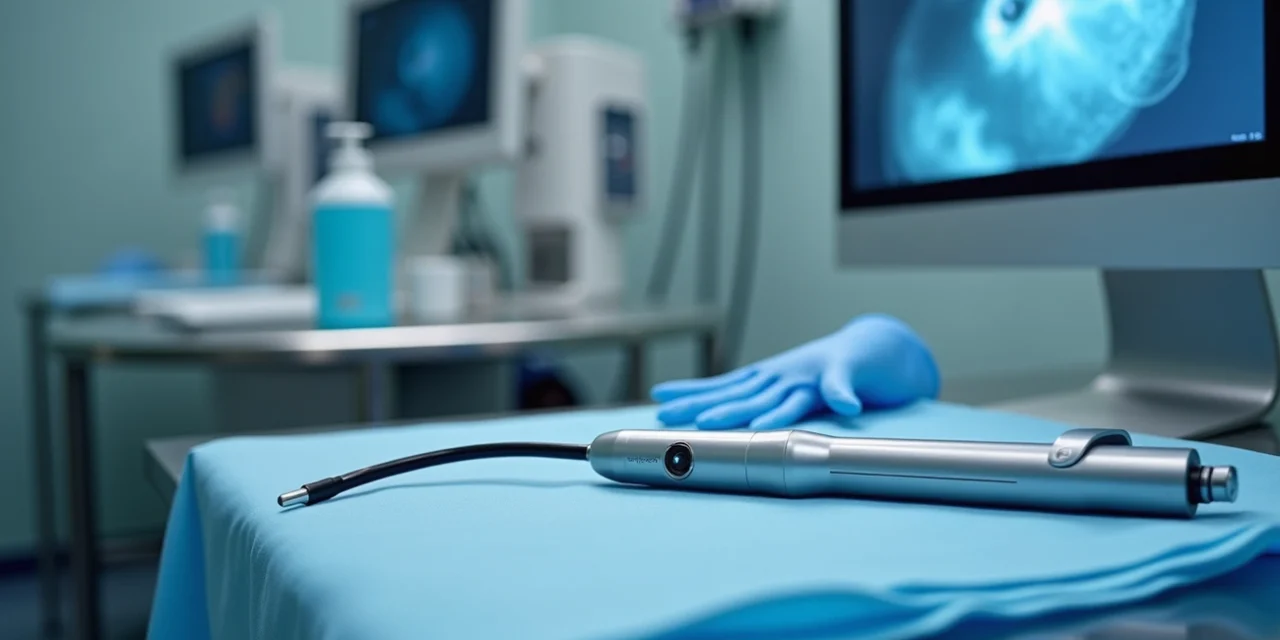
Understanding what happens during a bladder cancer cystoscopy can help ease your concerns. Urothelial carcinoma remains the most common type of bladder cancer diagnosed in patients. The cystoscopy procedure plays a vital role to identify and monitor this condition.
Your doctor gets into the inside of your bladder and urethra with a thin, tube-like instrument that has a light and lens for viewing. This diagnostic tool helps healthcare providers check for abnormal areas and take tissue samples through a biopsy. The procedure supports both the original diagnosis of bladder cancer and ongoing surveillance for recurrence. You might wonder how bladder cancer gets diagnosed or what your upcoming appointment holds. This piece walks you through everything about this procedure.
What is a cystoscopy and why is it done?
A cystoscopy is the life-blood procedure doctors use to get into your bladder and urinary tract. This diagnostic test uses a thin tube with a light and camera (cystoscope). Doctors can view the inside of your bladder and urethra—the tube that carries urine out of your body.
Understanding the role of cystoscopy in bladder cancer diagnosis
Your doctor’s most important test for diagnosing bladder cancer is cystoscopy. This procedure lets them see your bladder’s interior directly. A urologist can spot abnormal tissues, tumors, or cancerous growths that other methods might miss.
Cystoscopy serves several significant roles in bladder cancer care:
- Original diagnosis: Doctors see suspicious areas and take tissue samples (biopsies) to confirm cancer cells.
- Treatment planning: Urologists use cystoscopy to plan the best surgical approach, even if other methods first detect bladder cancer.
- Cancer monitoring: Regular cystoscopic examinations help detect cancer’s return early in patients with previous bladder cancer.
Cystoscopy’s importance in managing bladder cancer is clear. Research shows it has a sensitivity rate of 81%. This means doctors correctly identify bladder cancer in 81% of cases where it exists. Doctors can remove the entire tumor during the original cystoscopy procedure for early-stage bladder cancer (stage 0 or 1).
How cystoscopy compares to other diagnostic tools
Cystoscopy remains the gold standard among diagnostic tools that break down bladder concerns. This procedure provides direct visualization of the bladder lining and works especially well to detect small or flat tumors.
Cystoscopy offers clear advantages over other diagnostic methods:
- CT urography: CT scans help examine the upper urinary tract but struggle to detect flat lesions like carcinoma in situ (CIS).
- Urine cytology: This test looks for cancer markers in urine but shows low sensitivity, particularly with low-grade bladder cancers.
- Ultrasound: Research indicates ultrasound lacks specificity and reliability as a standalone diagnostic tool.
Research comparing cystoscopy with imaging shows this is a big deal as it means that its diagnostic accuracy is better than any other imaging test. Systematic reviews show the procedure’s specificity ranges from 57-97%.
All the same, cystoscopy isn’t perfect. Accuracy can suffer from insufficient overview, bleeding, infection, or small tumor size. Scientists keep learning about improvements like blue light cystoscopy (also called fluorescence cystoscopy) and narrow-band imaging. These methods boost tumor detection by making cancerous tissue stand out from normal tissue.
Over the last several years, scientists have studied artificial intelligence to improve cystoscopic examinations. These applications are still in early development stages.
Types of cystoscopy procedures
Doctors use different types of cystoscopy procedures to diagnose and treat bladder cancer. Your doctor will recommend the best approach based on your condition and what they need to examine.
Flexible cystoscopy: when and why it’s used
A flexible cystoscopy uses a thin, bendable tube that follows your urethra’s natural path. The versatility makes this method perfect for simple bladder and urethra examinations. Local anesthesia lets you stay awake while your doctor performs this procedure.
Flexible cystoscopy offers several key benefits:
- A more relaxed experience with minimal pain
- Much lower chances of post-procedure hematuria and dysuria
- Quick outpatient procedure right in your doctor’s office
- Perfect for first-time visual checks and follow-ups
Research shows patients feel much more comfortable with flexible cystoscopy. The mean pain scores are 1.49 compared to 4.42 for rigid cystoscopy. This approach works especially well for older male patients with enlarged prostates because it moves through the urinary tract with less discomfort.
Rigid cystoscopy: what to expect
Rigid cystoscopy uses a straight, non-bendable tube inserted through your urethra into your bladder. You’ll need general anesthesia or spinal anesthesia that numbs your lower body because the scope doesn’t bend.
Your doctor might choose rigid cystoscopy to:
- Take tissue samples (biopsies)
- Remove tumors through transurethral resection (TURBT)
- Get a closer look at suspicious areas
During the procedure, your doctor can use special tools through the scope for biopsies or small tumor removal. A camera connects to a monitor, and if you’re awake with spinal anesthesia, you might watch the procedure.
Blue light vs white light cystoscopy
Traditional white light cystoscopy has its limits. Studies reveal it misses tumors in up to 70% of patients during follow-up checks eight weeks after surgery. This led doctors to develop better visualization methods.
Blue light cystoscopy (also called photodynamic diagnosis or PDD) helps spot cancer cells more easily. Your doctor will:
- Insert a catheter into your bladder
- Add a fluorescent dye (usually hexaminolevulinate/Cysview)
- Let the dye soak into cancer cells for about an hour
- Use blue light during the examination
The results speak for themselves—cancer areas glow bright pink or red against healthy blue tissue. Studies show blue light cystoscopy can cut disease recurrence by about 34% compared to white light alone. Detection rates for carcinoma in situ reach 94.7% with blue light, while standard white light only catches 42.1%.
Blue light cystoscopy does show slightly more false positives (23.2% versus 16.0% for white light). Still, its superior detection abilities make it an essential tool in bladder cancer treatment.
How to prepare for a cystoscopy

Image Source: Canva
Your bladder cancer cystoscopy will be more accurate and comfortable with proper preparation. The preparation steps depend on which type of cystoscopy you’ll undergo.
Pre-procedure instructions and fasting
The preparation is different based on whether you’re having a flexible or rigid cystoscopy:
For flexible cystoscopy:
- You can eat and drink normally on procedure day
- You won’t need any special preparation or a full bladder
- Your doctor will ask you to empty your bladder before starting
For rigid cystoscopy:
- You should avoid eating or drinking for several hours before
- Fasting becomes necessary when general anesthesia is used
- Spinal anesthesia might also require following fasting guidelines
You might need an assessment appointment about a week before a rigid cystoscopy. A nurse will check your blood pressure and other vital signs to plan safe anesthesia use. You’ll need someone to drive you home and stay with you for 24 hours after the procedure.
What to tell your doctor before the test
A safe cystoscopy experience depends on being honest about your medical history. You should tell your doctor about:
- Allergies to medications, latex, iodine, tape, or anesthesia
- All medications you take, including prescription drugs, over-the-counter medicines, herbal remedies, vitamins, and supplements
- Pregnancy status or possibility of pregnancy
- History of bleeding disorders
- Previous reactions to contrast media
Your healthcare provider needs to review all your medications before your appointment. This helps determine if you need special accommodations or if the procedure requires modifications.
Medications and infection checks
Blood-thinning medications need special attention before a cystoscopy:
Medications that may need adjustment:
- Aspirin or aspirin-based medications
- NSAIDs (ibuprofen, naproxen)
- Prescription anticoagulants like warfarin, heparin, clopidogrel
Your healthcare providers usually recommend stopping these medications days before the procedure, though individual risk factors affect this timing. You should always check with your prescribing doctor before stopping any medication.
Infection screening plays a vital role. A urinary tract infection makes cystoscopy unsafe. You’ll typically need to:
- Provide a urine sample on procedure day
- Complete urinalysis and urine culture beforehand
- Reschedule if an infection shows up
Your doctor might prescribe preventive antibiotics before and after the cystoscopy, especially if you’re at high risk. This helps reduce the procedure’s infection risks.
Note that you’ll need someone to drive you home if you receive sedation or general anesthesia. Driving won’t be allowed after these types of anesthesia.
What happens during the cystoscopy procedure

Image Source: Healthline
Getting ready for your bladder cancer cystoscopy involves several significant steps that help your doctor get a full picture of your bladder’s interior. A clear understanding of this procedure will help calm your nerves and get you mentally prepared.
Step-by-step walkthrough of the process
Your cystoscopy appointment will go like this:
- You’ll need to empty your bladder completely.
- A flexible cystoscopy requires you to lie on your back, sometimes with feet in stirrups.
- Your doctor applies numbing gel into your urethra to reduce sensitivity.
- The cystoscope goes in gently through your urethra after the anesthetic takes effect.
- Your bladder fills with sterile water or saline solution to improve visibility.
- Your doctor looks at the entire bladder lining with systematic scope movements.
- Small tissue samples (biopsies) might be taken from areas that look suspicious.
- The fluid drains out and the doctor removes the cystoscope carefully.
General anesthesia or spinal anesthesia numbs the lower half of your body before a rigid cystoscopy.
What you might feel during the test
Each patient’s experience is different during cystoscopy. If you stay awake during the procedure, you might notice:
- A strong need to urinate as fluid fills your bladder
- Mild discomfort or stinging feelings, especially when the scope moves through certain areas
- Pressure in your bladder and lower abdomen
Research shows that approximately 52% of patients report moderate-to-severe discomfort during the procedure. Men often feel more discomfort than women because the scope needs to direct through their longer urethra.
Many patients find it helpful to watch the examination on a screen, which can take their mind off any discomfort.
How long the procedure takes
The time needed changes based on the type of cystoscopy and its purpose:
- A standard diagnostic flexible cystoscopy usually takes 5-15 minutes
- Rigid cystoscopy with anesthesia needs 15-30 minutes
- Biopsies or tumor removal will make the procedure longer
Flexible cystoscopy patients can head home right after. Patients who get general anesthesia need time in recovery until the anesthesia wears off.
This vital procedure in bladder cancer diagnosis and management is brief. Even with anesthesia, you’ll spend just a few hours at the hospital.
Recovery and what to expect after the procedure
Your body needs time to heal after a bladder cancer cystoscopy. Knowing what to expect during recovery helps you heal smoothly and spot what it all means if complications arise.
Common side effects and how to manage them
Patients usually experience mild, temporary side effects that last 24-48 hours after their cystoscopy procedure. These include:
- Burning sensations during urination
- Pink-tinged urine or small blood flecks
- More frequent urges to urinate
Here’s how you can handle these discomforts:
Start by drinking more fluids—you should have 6-8 glasses of water daily. This helps flush your bladder and reduces burning sensations. You can take over-the-counter pain relievers like acetaminophen (325mg, 1-2 tablets every 6 hours) or ibuprofen (200mg, 1-2 tablets every 6 hours) to ease discomfort. A warm, damp washcloth over your urethral opening can provide the most important relief.
When to call your doctor
Call your healthcare provider right away if you notice:
- Bright red blood or blood clots in your urine
- Pink-colored urine lasting more than 3 days
- Fever above 100.4°F (38°C)
- No urination for over 8 hours
- Severe pain that medications don’t help
- Foul-smelling or cloudy urine
These signs might point to complications like infection or urethral swelling that need quick medical care.
Returning to normal activities
Regular activities can usually resume within 1-2 days after the procedure. The cystoscopy isn’t surgery, so your comfort level determines when you can return to work, exercise, or sexual activity. Sexual relations can safely resume once blood no longer appears in your urine.
Note that you should finish any prescribed antibiotics even after feeling better to prevent infection.
Conclusion
Cystoscopy is a vital tool that helps diagnose and monitor bladder cancer with exceptional accuracy. This piece explains why this procedure is the gold standard to detect bladder abnormalities and track cancer recurrence.
The procedure is quick whether you choose flexible or rigid cystoscopy. It gives significant information about your bladder’s health. Advanced blue light technology has improved detection rates. Doctors can now identify cancerous cells that traditional white light examinations might miss.
Good preparation helps your cystoscopy go smoothly. You might feel mild discomfort during and after the procedure, but these feelings usually go away within 48 hours. Most people get back to their regular activities soon after, which means minimal disruption to daily life.
Drinking plenty of fluids after the procedure is important. You should watch for any warning signs of complications. Your healthcare team will help address any concerns you have after the procedure.
A bladder cancer diagnosis can feel overwhelming. Understanding the diagnostic process builds your confidence at each step. Cystoscopy may be briefly uncomfortable but the results are a great way to get information that shapes your treatment plan and leads to better outcomes. This knowledge helps you take an active role in your care decisions while staying hopeful through your cancer experience.
FAQs
Q1. How long does it take to recover from a bladder cystoscopy?
Most patients can resume normal activities within 1-2 days after a cystoscopy. However, mild side effects like a burning sensation during urination or increased urinary frequency may persist for 24-48 hours.
Q2. What should I do to prepare for a cystoscopy?
Preparation varies depending on the type of cystoscopy. For flexible cystoscopy, you can typically eat and drink normally. For rigid cystoscopy, you may need to fast for several hours before the procedure. Always inform your doctor about any medications you’re taking and any allergies you have.
Q3. Are there any activities I should avoid after a cystoscopy?
After a cystoscopy, it’s best to avoid strenuous activities for a day or two. You should also refrain from sexual activity until there’s no more blood in your urine. Always follow your doctor’s specific instructions for post-procedure care.
Q4. What should I drink after a cystoscopy?
It’s important to increase your fluid intake after a cystoscopy. Aim to drink 6-8 glasses of water daily to help flush your bladder and reduce any burning sensations during urination.
Q5. When should I contact my doctor after a cystoscopy?
Contact your doctor immediately if you experience bright red blood or blood clots in your urine, fever above 100.4°F (38°C), inability to urinate for over 8 hours, severe pain unrelieved by medication, or foul-smelling or cloudy urine. These symptoms may indicate complications that require prompt medical attention.